Zambia Strengthens Energy Security with Approval of Two Strategic Cross-Border Pipelines
Zambia Approves Tanzania and Namibia Pipeline Projects to Boost Energy Security and Support Mining Growth
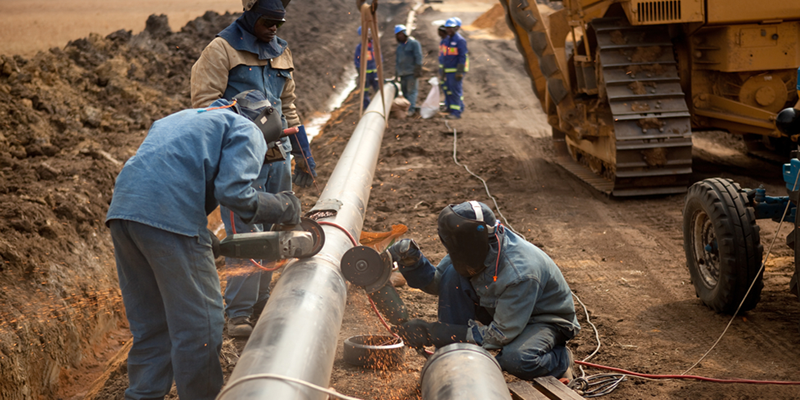
Zambia has taken a significant step toward reinforcing its long-term economic resilience, with Cabinet approving the construction of two major cross-border energy projects: the Tanzania–Zambia Multi Products Pipeline and the Namibia–Zambia Refined Petroleum and Natural Gas Pipeline.
These new corridors are designed to complement the existing TAZAMA Pipelines Limited infrastructure and diversify Zambia’s fuel import routes, reducing reliance on a single supply channel.
Moving Beyond Single-Route Dependence
Since its commissioning in the 1960s, the TAZAMA pipeline has transported crude oil from Dar es Salaam to Ndola, forming the backbone of Zambia’s petroleum supply system.
However, growing economic activity and rising fuel demand have increased the need for supply redundancy and route diversification.
The newly approved projects aim to:
-Reduce the risk of supply disruptions
-Enhance pricing competitiveness through multiple sourcing options
-Strengthen Zambia’s bargaining power in procurement negotiations
-Deepen regional energy integration across Southern and East Africa
By establishing multiple pipeline routes, Zambia is positioning itself to mitigate geopolitical, logistical, and market-related supply risks.
Supporting Mining, Trade and Industrial Expansion
Energy infrastructure is foundational to Zambia’s growth strategy. The country is targeting higher copper output and expanding production of critical minerals to meet global demand.
Reliable fuel supply is essential for:
-Mining operations and mineral processing
-Agricultural mechanization
-Road freight and logistics networks
-Smelting, manufacturing and industrial production
As regional trade expands particularly with the development of the Lobito Corridor dependable energy supply becomes a strategic necessity.
Transport corridors, rail networks, and ports rely on stable fuel flows to function efficiently.
Namibia Link Opens Natural Gas Opportunities
The Namibia–Zambia pipeline adds a new strategic dimension by potentially enabling access to:
-Refined petroleum products
-Natural gas for industrial use
-Cleaner-burning fuel alternatives
Access to natural gas could support future power diversification efforts and reduce reliance on more carbon-intensive fuels, aligning with broader regional energy transition goals.
A Multi-Corridor Energy Strategy
These projects represent the evolution of Zambia’s energy strategy from a single primary pipeline to a multi-corridor supply model.
While infrastructure such as railways and ports often dominates public discussion, energy systems underpin every sector of the economy.
Trucks, processing plants, smelters and factories all depend on stable fuel supply.
By expanding pipeline capacity and diversifying supply routes, Zambia is strengthening its macroeconomic stability and improving resilience against external shocks.
Strategic Implications
The approval of the Tanzania and Namibia pipeline projects signals:
-Long-term planning aligned with industrial growth
-A proactive approach to energy security
-Enhanced regional cooperation
-Structural support for Zambia’s mining-led development strategy
Energy security underpins economic security. With these approvals, Zambia is not merely planning for growth it is building the infrastructure required to sustain it.